
Read original review on Google ↗I had an amazing experience with Prime Restoration Pros. They were meticulous, quick and always responsive to my questions and requests. Highly recommend this company for any restoration work!
SERVING LONG ISLAND CITY, QUEENS
Fire & Smoke Damage Restoration in Long Island City, Queens, NY
Smoke cleanup and fire-loss reconstruction for Long Island City properties. Prime coordinates the work around your building's actual materials, access conditions and recovery goals.
Talk with Prime: 631-922-9900
IICRC Certified Firm Licensed & insured Xactimate estimating
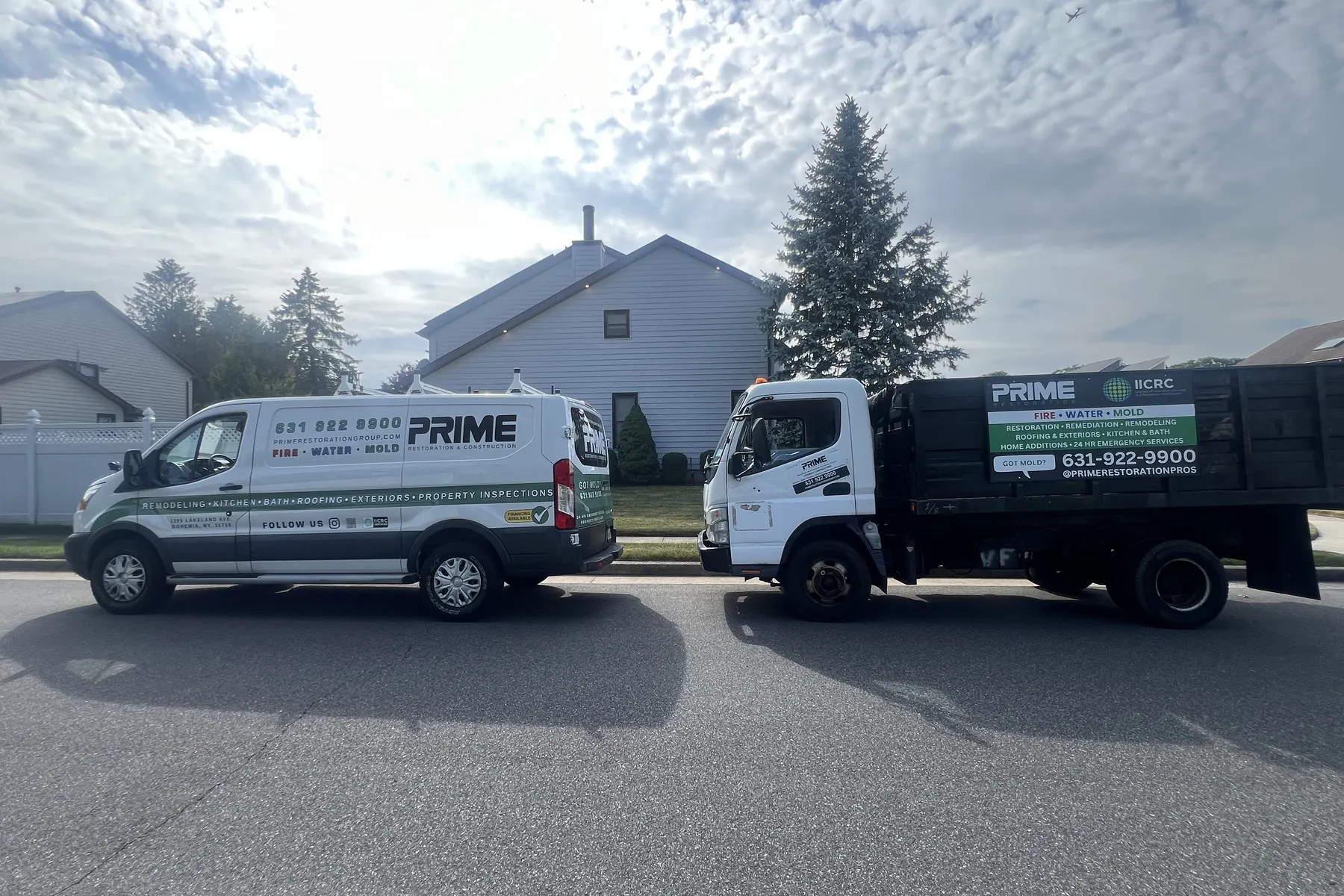
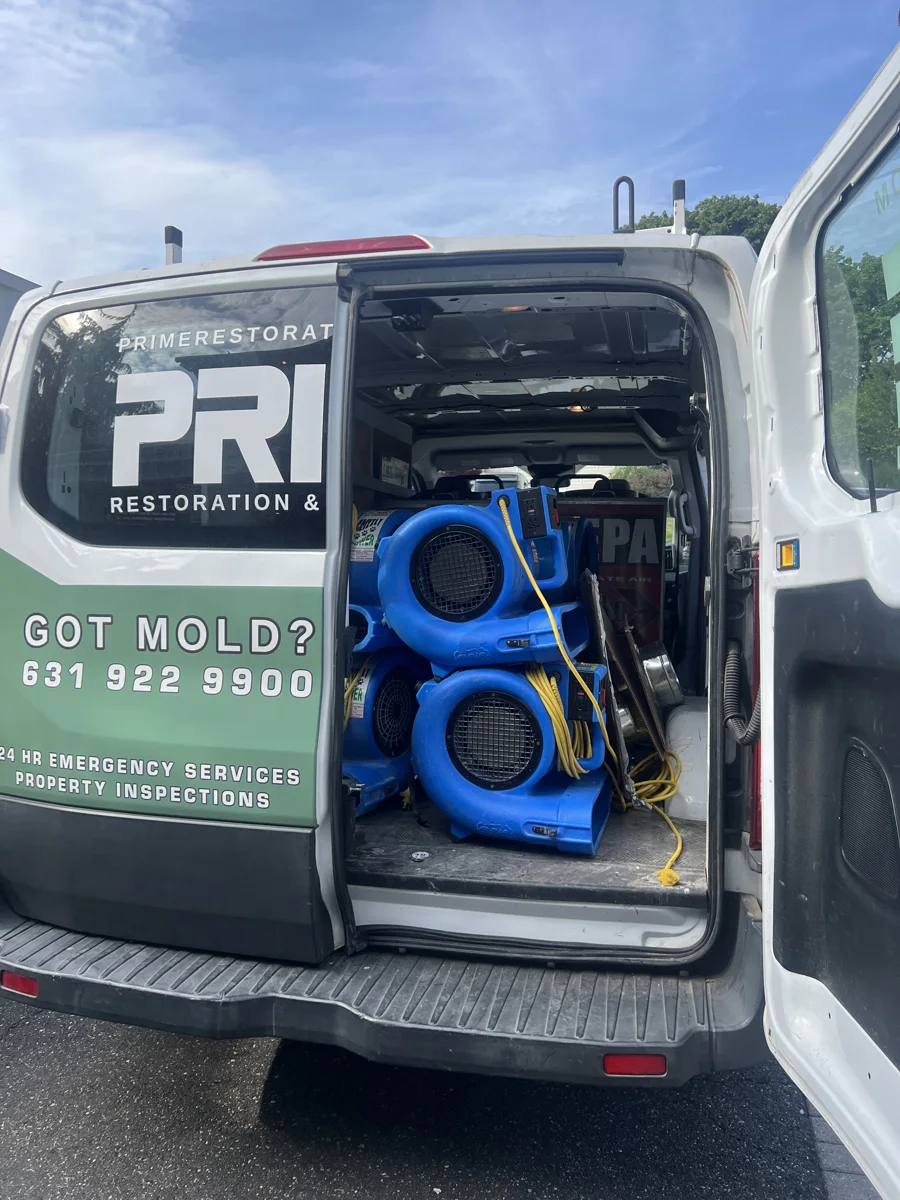
REAL PRIME FLEET PHOTOGRAPHY
GOOGLE CUSTOMER FEEDBACK
Real work.
Real feedback.
These are genuine Prime customer reviews from its broader service area; they are not represented as fire jobs in Long Island City unless a reviewer specifically says so.
AFTER A FIRE
Safety first.
A documented plan.
Do not enter a fire-damaged structure before officials and responsible professionals have released the property.
Discuss your property ↗01
Wait for scene release
Confirm safe entry, utilities and structural conditions with the responsible officials.
02
Document affected areas
Separate the origin room from smoke, soot and firefighting-water impacts.
03
Plan the next safe step
Protect contents and establish cleaning, pack-out and repairs with permission.
SCOPE OF WORK
Fire cleanup through reconstruction.
Each loss requires a decision about safety, material salvage, contents and the repairs that follow.
Fire-scene safety & loss documentation
After authorized entry, document soot, smoke, heat and any water used by firefighters.
Soot, smoke odor & contents
Select appropriate materials-based cleaning, contents handling and odor-source treatment.
Repairs & reconstruction
Coordinate the repair scope, necessary approvals and replacement of non-restorable finishes.
FIRE & SMOKE DAMAGE RESTORATION IN LONG ISLAND CITY
A plan shaped by your building.
After a fire in Long Island City, Queens, the visible burn area can be smaller than the work required to address smoke, soot, odors and water used during suppression. The local mix of modern towers, converted industrial spaces and low-rise homes calls for building-specific access and materials decisions. For example, a relevant assessment might involve building-wide systems and smoke-contaminated shared corridors. Hunters Point and Court Square have different building access needs. Work should begin only after the fire scene is released and utility, structural and occupant-safety questions are resolved.
For a fire-loss inquiry in Long Island City, the first usable scope separates direct heat damage from soot deposits, smoke pathways and firefighting water. One type of loss that deserves careful review is building-wide systems and smoke-contaminated shared corridors. Here, modern towers, converted industrial spaces and low-rise homes can mean very different pathways for smoke and odor. Loading docks, service elevators and building schedules can govern equipment movement. If access has not been released by the responsible officials, a contractor should not enter simply to speed up the estimate. Record rooms, contents, finishes and utility issues separately so that the building manager or owner can review a transparent loss scope.
In larger managed buildings, smoke and fire-suppression water should be traced by affected floor and system. The property manager may need to arrange safe entry, isolate ventilation equipment or protect shared egress routes. An apartment near the origin and a distant corridor with odor complaints do not necessarily require the same treatment. Label inspected spaces and cleaning tests. If common mechanical systems are implicated, the appropriate building professionals should evaluate them before any proposed deodorization method is used.
A Long Island City fire-recovery plan should be grounded in the specific building use: modern towers, converted industrial spaces and low-rise homes. Hunters Point and Court Square have different building access needs. One relevant scenario is building-wide systems and smoke-contaminated shared corridors, though it should never be presumed without a walkthrough. The scope should show where smoke reached, whether soot can be tested for cleaning, how contents will be inventoried and whether suppression water created a separate drying need. Where loading docks, service elevators and building schedules can govern equipment movement, personnel should confirm both safe access and the responsibility for repairs to shared building areas before moving materials.
For a Long Island City fire-loss job, a useful scope separates immediate protection from long-term reconstruction: stabilize access where authorized, document loss, evaluate contents, test soot cleaning and review the repair assembly. Loading docks, service elevators and building schedules can govern equipment movement. If the event includes building-wide systems and smoke-contaminated shared corridors, each affected occupancy should have its own traceable observations, not a single generic line for the whole structure. Do not promise odor removal from the building as a whole before identifying which porous materials remain affected, and do not treat fire-suppression water as an afterthought.
When someone in Long Island City requests fire restoration, the conversation should confirm that the property has been released for safe entry and what damage can be documented without exposure. If the reported event resembles building-wide systems and smoke-contaminated shared corridors, ask which units have soot, which have only odor complaints and whether suppression water is visible. Because modern towers, converted industrial spaces and low-rise homes are possible building types, clarify the responsible owner, insurer and building manager early. A credible estimate distinguishes cleaning, pack-out, loss-related removal and optional improvements instead of treating everything as one undifferentiated bill.
For a Long Island City fire loss, official FDNY and NYC DOB guidance is relevant to scene status and any repair permissions, while NYC HPD addresses covered housing maintenance requirements. Hunters Point and Court Square have different building access needs. That context may affect access but does not establish the fire cause or permit status for a particular address. If the loss involves building-wide systems and smoke-contaminated shared corridors, the repair plan should keep official safety requirements separate from a contractor's estimate, documenting which work is authorized and which requires licensed trade or engineering input.
THE WORKFLOW
Evidence first. Then the right work.
Actual conditions, owner authorizations and applicable licenses determine the sequence.
Confirm scene release, structural and utility safety
Document the damaged assembly and coordinate safe access and any required licensed trades.
Document soot, smoke, heat and firefighting-water effects
Document the damaged assembly and coordinate safe access and any required licensed trades.
Separate salvageable materials from controlled demolition
Document the damaged assembly and coordinate safe access and any required licensed trades.
PROJECT PLANNING & ESTIMATING
Understand the scope before work begins.
Fire cleaning, contents handling, suppression-water mitigation and reconstruction may be separate scopes.
Prime can prepare contractor documentation and Xactimate estimates when appropriate. Prime does not determine insurance coverage or act as your public adjuster.
Discuss the project ↗Factors affecting the work
- Extent of heat and smoke exposure
- Finish types and accessibility of soot deposits
- Odor penetration into porous assemblies or contents
- Water used to suppress the fire and resulting moisture
- Engineering, permit and repair requirements
FREQUENTLY ASKED QUESTIONS
Long Island City Fire & Smoke Damage Restoration questions.
Service-specific answers for owners and managers, without assuming every building has the same conditions.
When is it safe to enter a fire-damaged property in Long Island City?
Only when emergency officials and responsible building professionals permit access. Utilities, damaged finishes and unstable ceilings may remain hazardous after visible flames are out. Do not enter merely to take photos if the building has not been released.
Can smoke from one unit affect neighboring apartments in Long Island City?
It can, depending on door gaps, shared corridors, ventilation and the building construction. Loading docks, service elevators and building schedules can govern equipment movement. Inspection should document soot and odor conditions in each accessible area without assuming an entire building needs identical cleaning.
What is the first restoration priority after building-wide systems and smoke-contaminated shared corridors?
The first priority is scene safety and stabilization, followed by a documented review of heat damage, smoke pathways, surface residues, contents and possible firefighting-water effects. The proper sequence may include temporary protection, cleaning tests, pack-out coordination and later reconstruction.
Do walls and ceilings always need to be replaced after smoke damage?
No. Some nonporous or appropriately finished surfaces may be cleanable, while affected porous assemblies may require removal. The soot type, heat exposure and surface condition matter. A contractor should explain the decision for plaster, paint, tile, wood and insulation separately.
How do you handle firefighting water in a Long Island City building?
Water used to extinguish a fire can move through floor cavities and lower rooms. After fire-scene release, moisture assessment and safe extraction or drying may be necessary. Wet electrical equipment and contaminated water require separate professional attention.
What about smoke odor in furniture and personal belongings?
An inventory and material-by-material evaluation can identify salvageable contents, items needing specialist cleaning and items that cannot reasonably be restored. Document ownership and authorization before transporting belongings. Odor control should follow appropriate source removal and cleaning.
What documentation helps with a fire-loss insurance estimate?
Photographs, room-by-room damage descriptions, notes about fire and suppression water, contents lists and a clear division between cleaning, demolition and reconstruction help establish the contractor scope. Prime can support estimating; the insurer decides policy coverage.
Can Prime restore a home or business after a fire in Long Island City?
Prime can discuss soot cleanup, contents-related work and reconstruction planning for eligible projects in Long Island City, Queens. Describe building-wide systems and smoke-contaminated shared corridors and any required building approvals. Work begins only when the property is safe and the relevant authorizations and trade requirements are satisfied.
OUR APPROACH
Restore from a documented plan.
If your Long Island City property has fire, smoke, soot, and suppression-water damage, start with the actual source, the building access plan and a clear written scope. Hunters Point and Court Square have different building access needs. Prime Restoration Pros is based in Bohemia and can discuss service availability, documentation, and appropriate next steps for Long Island City, Queens.
Queens, New York City · Service area
Long Island City, NY
Serving this community from our Bohemia office. This map shows the service area, not an additional Prime office.
Open town map ↗Nearby fire & smoke
OFFICIAL INFORMATION
Reference resources for New York City properties.
These links provide general regulatory, building and safety context. Check your actual property and project requirements before taking action.
DISCUSS YOUR PROPERTY
Tell us what happened in Long Island City.
Prime is based in Bohemia, NY, and serves eligible NYC projects. Describe the damage, location, access and any insurance or licensed assessment already involved.
631-922-9900Bohemia headquarters · Service inquiries for Long Island City, Queens
Request a callback
Tell us about the property and what needs attention.